4,213 Cigarette Stubs
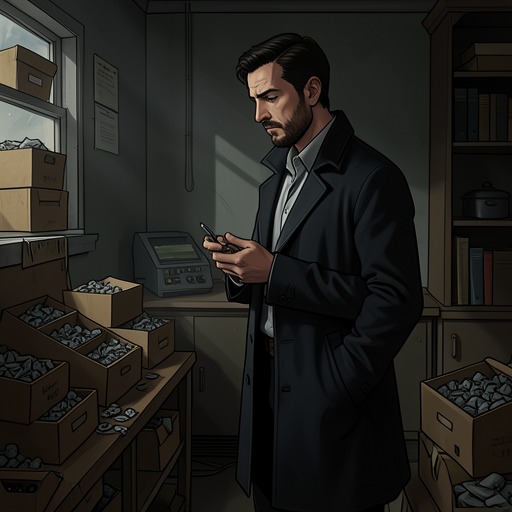
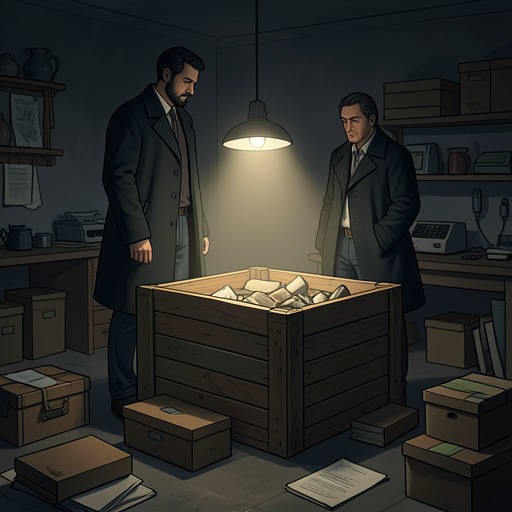
The Museum of Innocence4,213 Cigarette Stubs is a collection of cigarette remnants associated with Füsun, gathered by Kemal Basmacı from the Keskin household and incorporated into his private hoard. Their force lies in the distance between what they are materially—used, easily overlooked scraps—and what they become in Kemal’s memory: evidence of a daily life and a love he cannot recover except through the things left behind.
Identity and Collection
The collection’s title gives it a precise number, 4,213, while the narrative identifies the stubs as Füsun’s cigarette butts. They belong to the class of small household traces that could disappear without attracting notice. Kemal names them alongside matchboxes, saltshakers, coffee cups, hairpins, and barrettes: ordinary things he pocketed because the people around him rarely registered their absence.
The stubs are not presented as valuable objects in the commercial sense. Their significance comes from their association with Füsun and from the act of keeping them. In Kemal’s collecting, a remnant that might otherwise be discarded acquires a personal history simply because it bears the mark of a life he longs to hold close.
Concealment and the Household
Kemal describes taking the cigarette butts as part of a secret practice. At first, he chose small belongings that were unlikely to be missed; as the collecting expanded to ashtrays, cups, and slippers, he began replacing some household objects with new ones. The shift from pocketing inconspicuous traces to substituting larger possessions shows how his private attachment developed into an increasingly organized intervention in the Keskin home.
By 1979, the family had noticed that possessions were changing or going missing, although the subject was not openly discussed. The porcelain dogs on the television illustrate that growing visibility: as they changed regularly, Füsun and Aunt Nesibe had either guessed or knew that Kemal was removing household things. The cigarette stubs belong to the earlier, easier-to-conceal phase of this collecting, when their smallness helped keep his appropriation hidden.
Memory and the Meaning of Small Things
Kemal understands collected objects as containers for remembered moments. He says that he took things Füsun had touched to preserve the happiness of the present for the future; over the years of dinners at the Keskin home, he hoped to gather enough happiness to last him for the rest of his life. The cigarette stubs make that method unusually stark: what remains after an ordinary act becomes a material trace that can outlast the moment and the people who shared it.
This logic also explains why an object need not be rare or beautiful to matter. Kemal’s account of memory joins particular things to a larger passage of time: objects hold moments, but their accumulation also reminds him that time has an end. The stubs thus embody both sides of his collection—comfort in the presence of a trace, and sorrow at the absence that makes the trace necessary.
From Private Hoard to Museum
Kemal’s secret acquisitions eventually became part of the collection he assembled for the Museum of Innocence. He brought the objects stored at the Merhamet Apartments together with the Keskin family’s old possessions, objects gathered on his travels, and other materials connected to his story. The cigarette stubs’ movement from household debris into a named collection changes their status without erasing their humble origin: they remain evidence of private, repetitive life, now preserved as part of a public account of memory.
Their place in that collection is consistent with Kemal’s belief that everyday objects can carry the intimate histories people otherwise forget. The stubs do not restore Füsun or the life that produced them. Instead, their preservation makes the loss legible, turning a disposable remnant into one of the material witnesses through which Kemal tries to keep his past present.